microplastic abrasion from tyres and particulate emissions from brakes
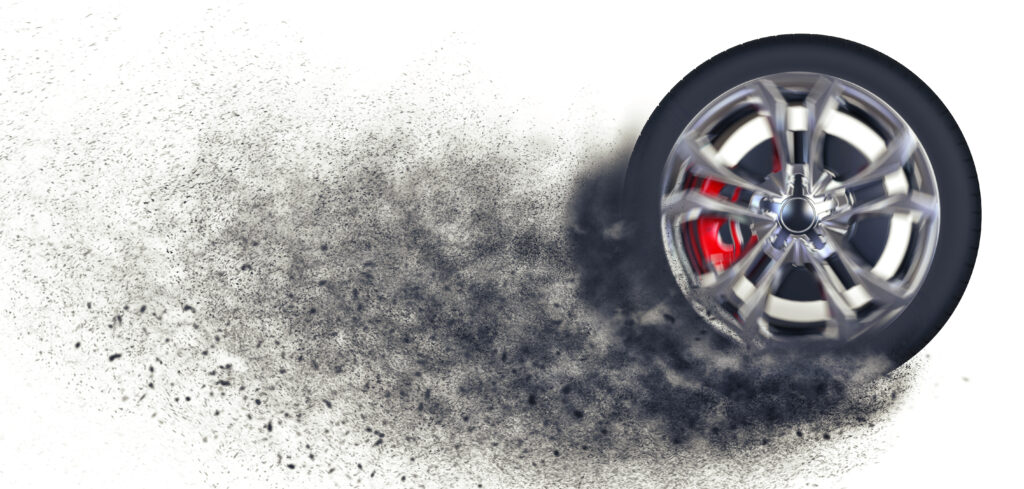
To address microplastic pollution concerns stemming from car emissions, including microplastic abrasion from tyres and particulate emissions from brakes, a specialised Ecolabel standard and certification service (ESCS) could focus on setting industry benchmarks for sustainable and environmentally friendly practices.
Below are some elements that are included in such a certification standard:
1. Microplastic Abrasion Testing for Tyres
- Abrasion Resistance Standards: The certification could set a limit on the amount of microplastics emitted from tyre wear per kilometer driven, encouraging manufacturers to produce longer-lasting, less abrasive tyres.
- Use of Sustainable Materials: Certification could promote the use of alternative, eco-friendly materials that generate fewer or no microplastic particles, such as renewable or biodegradable compounds for tyres.
- Durability and Longevity: Ecolabel standards could prioritize tyres that demonstrate greater durability, resulting in lower overall microplastic generation due to reduced replacement frequency.
- Recyclability: Tyres certified under the Ecolabel could be required to contain a minimum percentage of recyclable materials or be designed for ease of recycling at the end of their life cycle.
2. Brake Pad Particulate Emissions
- Low-Emission Brake Materials: Brake pads could be required to use materials that minimize the release of particulate matter during braking. This might include the promotion of non-metallic brake pads or materials that break down into non-toxic particles.
- Particulate Capture Technology: Certification could reward innovation in technologies that capture brake dust, such as specialized filters or shields that trap brake particles before they are released into the environment.
- Eco-Friendly Alternatives: Ecolabel standards could push for the adoption of regenerative braking systems, commonly used in electric vehicles (EVs), which drastically reduce brake wear and particulate emissions by converting kinetic energy into electrical energy for storage.
3. Toxicity and Environmental Impact Assessment
- Material Toxicity Reduction: The standard could assess the chemical composition of tyre and brake materials to ensure they do not contain harmful substances that, when broken down into microplastics, could negatively impact ecosystems.
- Environmental Life Cycle Assessment (LCA): Certification could require manufacturers to conduct comprehensive LCAs to evaluate the environmental impacts of their products throughout their life cycle, including microplastic pollution. Products with lower overall environmental impacts, including reduced microplastic emissions, would receive higher certification grades.
4. Monitoring and Reporting Systems
- Microplastic Emission Monitoring: Certified companies could be required to implement continuous monitoring systems to track the amount of microplastic emissions from their tyres and brakes under real-world conditions.
- Transparency and Reporting: Manufacturers would need to regularly report their microplastic emissions data and demonstrate continuous improvement in reducing microplastic output as part of their certification renewal process.
5. Consumer Awareness and Education
- Ecolabel Visibility: The certification program could include a clear and recognizable label for consumers to identify vehicles, tyres, and brake systems that meet microplastic emission standards. This could help raise awareness about the issue and incentivize consumers to choose eco-friendly products.
- Education Programs: The Ecolabel certification service could also provide educational material for both manufacturers and consumers about the environmental impact of microplastics and the benefits of choosing certified products.
6. Innovation Incentives for Microplastic Reduction
- Research and Development (R&D) Incentives: The certification program could reward manufacturers who invest in R&D for new materials and technologies that minimize microplastic emissions. This could include the development of novel tyre compounds, enhanced brake systems, or coatings that reduce wear and tear.
- Partnerships with Environmental Groups: The certification body could work with environmental groups, research institutions, and government bodies to encourage further research into solutions for microplastic pollution caused by automotive parts.
7. Cross-Industry Collaboration
- Collaborative Standards Setting: The certification service could collaborate with various stakeholders, including automakers, tyre and brake manufacturers, regulators, and environmental groups, to set industry-wide standards that go beyond minimum regulatory requirements.
- Partnership with Regulatory Bodies: The service could align its certification criteria with or even exceed upcoming regulations on microplastic emissions to ensure that certified companies are ahead of future compliance requirements.
8. End-of-Life Management for Tyres and Brakes
- Recycling and Circular Economy: The certification could encourage or require manufacturers to implement take-back schemes for used tyres and brake pads, promoting recycling and a circular economy approach to reduce waste and potential microplastic release.
- Recycled Material Content: Products certified under the Ecolabel could be required to incorporate a certain percentage of recycled materials, thus reducing the demand for virgin raw materials and cutting down on overall pollution.
9. Incentivizing Electric Vehicles (EVs)
- Electric Vehicle Focus: The certification service could also prioritize or incentivize EVs, which generally produce fewer particulate emissions from brakes due to the use of regenerative braking. This focus on EVs could complement broader efforts to reduce overall emissions from the automotive sector.
10. International Certification Framework
- Global Standardization: The certification could be designed with an international scope in mind, making it applicable across various regions and ensuring that automotive manufacturers have a single, recognized standard for microplastic emissions from tyres and brakes.
- Alignment with Existing Ecolabels: The new certification standard could align with or complement existing environmental labels, such as the EU Ecolabel, which already covers various aspects of sustainability and could incorporate microplastic emission criteria for automotive components.
A specialised Ecolabel for microplastic emissions from tyres and brakes could help drive innovation and more sustainable practices within the automotive industry. This certification could ensure that manufacturers take responsibility for the environmental impact of microplastic pollution while offering consumers a transparent way to choose eco-friendly options. Such a standard would not only address immediate concerns about microplastic pollution but also help future-proof the industry against tightening environmental regulations and growing consumer demand for sustainability.
 LifeCycle Solutions