Ecolabel standards and certification service
LifeCycle Solutions offers Asia’s first microplastics-focused Ecolabel standards and certification service aimed at reducing plastic pollution, promoting sustainable practices, and measuring microplastic content.
While recognising that most products and packaging cannot be entirely free of microplastics, our goal is to encourage better plastic management to minimise microplastic release.
Our certification will also recognise companies that produce products free of intentionally added microplastics.

microplastic abrasion from tyres and particulate emissions from brakes
To address microplastic pollution concerns stemming from car emissions, including microplastic abrasion from tyres and particulate emissions from brakes, a specialised Ecolabel standard and certification service (ESCS) could focus on setting industry benchmarks for sustainable and environmentally friendly practices.

nurdles used in plastic manufacturing
Creating an Ecolabel standard and certification service (ESCS) for industries involved in plastic pellets (also known as nurdles) used in plastic manufacturing would help address the significant environmental issues associated with pellet loss and the subsequent pollution of waterways and ecosystems. Plastic pellets are a major source of microplastic pollution due to spills during transportation, handling, and manufacturing.
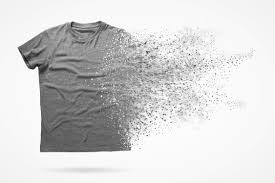
synthetic fibers from the fashion and textile industries
An Ecolabel standard and certification service (ESCS) for the fashion and textile industries, which are responsible for generating massive waste, polluting water sources, and releasing microplastics (especially from synthetic fibers), would focus on several key sustainability and environmental criteria.
Client Reviews
Automotive company
“Our aim to pursue certification is to minimise microplastic pollution and promote greener automotive practices.“
Plastics manufacturer
“This certification will help us focus on reducing pellet loss, promoting sustainable practices, and encouraging responsible environmental stewardship.”
Textile producer
“Through this certification, we hope to reduce our ecological footprint, promote sustainable practices, and address the challenges associated with microplastics and resource depletion.”



 LifeCycle Solutions